


Why Spotting the Warning Signs of Plumbing Problems in Your Home Early Can Save You Thousands
The warning signs of plumbing problems in your home are easy to miss — until they’re impossible to ignore. A slow drain here, a slightly higher water bill there. Small things. But left unchecked, these subtle clues can snowball into burst pipes, flooded rooms, mold growth, and costly structural damage.
Here’s a quick look at the most common warning signs to watch for:
- Sudden spike in your water bill with no change in usage
- Slow or frequently clogged drains in sinks, tubs, or showers
- Low or fluctuating water pressure throughout the house
- Discolored or foul-smelling water from your taps
- Strange noises in pipes — banging, gurgling, or whistling
- Mold or mildew growth near walls, floors, or ceilings
- Visible corrosion or wobbly fixtures on faucets or toilets
- Water stains or bubbling paint on walls and ceilings
- Foundation cracks or wet patches in your yard
- Water heater issues — inconsistent heat, leaks, or rust
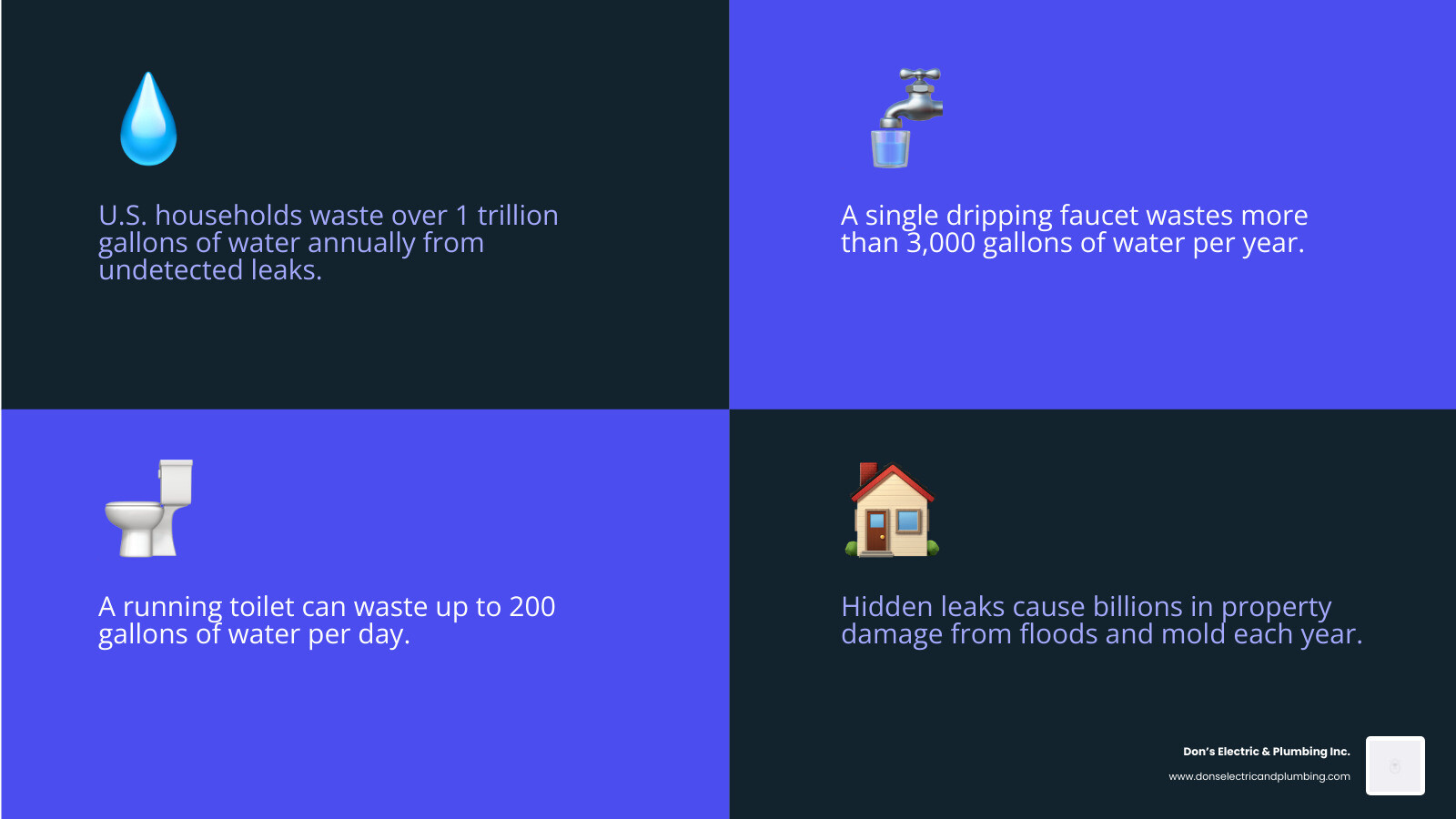
The stakes are real. U.S. households waste over 1 trillion gallons of water every year from leaks — many of them hidden underground or inside walls. A single dripping faucet can waste more than 3,000 gallons annually. A running toilet? Up to 200 gallons per day, straight down the drain.
Catching these problems early is the difference between a quick fix and a full-blown plumbing emergency. This guide walks you through every major warning sign so you know exactly what to look for — and when to call a professional.
10 Critical Warning Signs of Plumbing Problems in Your Home
Most plumbing disasters don’t start with a bang. They start with a whisper — a tiny drip under the sink or a drain that takes an extra ten seconds to clear. Because your plumbing system is mostly hidden behind walls and under floors, we often take it for granted until we’re standing ankle-deep in a flooded kitchen.
At Don’s Electric & Plumbing Inc., we’ve seen how quickly a minor inconvenience can turn into a major restoration project. Whether you’re in Canajoharie, Little Falls, or Sharon Springs, the local climate and aging infrastructure in some of our historic homes mean being vigilant is your best defense.
To help you stay ahead of the curve, here is more info about plumbing services we provide to keep your home dry and functional.
One of the most important things to distinguish is the difference between a minor clog and a major system failure. Use the table below to help identify the severity of your situation:
Slow Drains vs. Sewer Backups: What’s the Difference?
| Feature | Slow Drain | Sewer Line Backup |
|---|---|---|
| Scope | Usually affects only one fixture (e.g., just the kitchen sink). | Multiple fixtures across the home are affected simultaneously. |
| Sound | May hear occasional gurgling at the specific drain. | Constant gurgling in toilets or floor drains when water is used elsewhere. |
| Odors | May smell like rotting food or hair near the drain. | Strong, persistent sewage smell throughout the home or yard. |
| Visual Clues | Water lingers in the basin for a few minutes. | Water or raw sewage pushes back up through floor drains or tubs. |
| Urgency | Needs attention soon to prevent a full clog. | Plumbing Emergency. Stop using water immediately and call us. |
Sudden Spikes in Water Bills: Warning Signs of Plumbing Problems in Your Home
If you haven’t recently filled a swimming pool or hosted ten houseguests, your water bill should remain relatively consistent. A sudden, unexplained jump in your monthly charges is one of the most reliable warning signs of plumbing problems in your home.
Common culprits for these spikes include:
- Running Toilets: A toilet that continues to hiss or “cycle” after flushing can waste 200 gallons of water a day. Often, this is caused by a degraded flapper or a faulty fill valve.
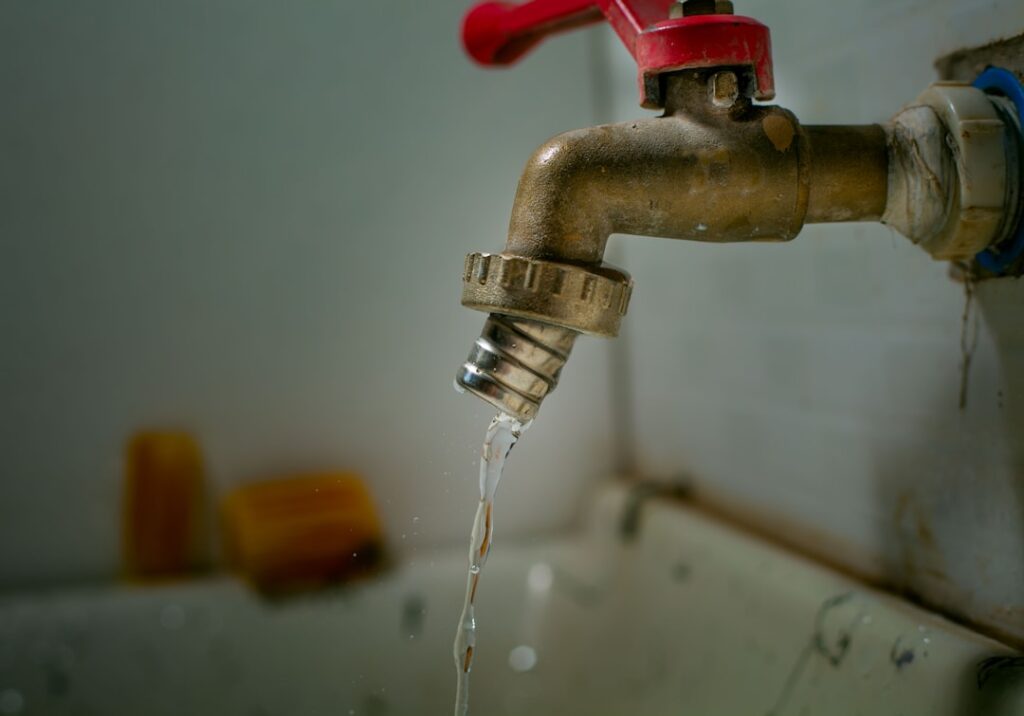
- Dripping Faucets: A faucet dripping once per second adds up to over 3,000 gallons a year. That’s enough water for 180 showers!
- Hidden Leaks: If your bill is high but you don’t see any drips, you likely have a leak in a wall, under the foundation (slab leak), or in the main water line leading to your house.
- Outdoor Irrigation: A cracked sprinkler head or a leaking hose bib can quietly bleed thousands of gallons into the soil.
Pro Tip: To check for a hidden leak, turn off all water in your home and check your water meter. If the dial or digital readout is still moving, water is escaping somewhere.
Slow or Frequently Clogged Drains
We’ve all dealt with a stubborn sink, but when “slow” becomes “frequent,” you have a problem. While a single slow drain is usually a localized clog made of hair, grease, or soap scum, multiple slow drains are a red flag for your main sewer line.
In our service areas like Montgomery and Fulton Counties, tree roots are a major factor. Roots are naturally drawn to the moisture and nutrients inside your sewer pipes. They can find tiny cracks in older clay or cast-iron pipes, grow inside, and eventually create a total blockage.
If you find yourself reaching for a plunger every other day, it’s time to stop. Chemical drain cleaners are often more trouble than they’re worth; they generate heat that can warp PVC pipes or corrode older metal lines. For a permanent solution, you can find more info about plumbing repair on our specialized service page.
Low or Fluctuating Water Pressure
When your morning shower turns into a sad drizzle, your plumbing is trying to tell you something. Low water pressure can be caused by several factors:
- Mineral Buildup: In areas with hard water, calcium and magnesium deposits (scale) can narrow the inside of your pipes, much like a clogged artery.
- Pipe Corrosion: Older galvanized steel pipes rust from the inside out. This rust flaking off can block aerators and showerheads, or the rust buildup itself can restrict flow.
- Hidden Leaks: A significant drop in pressure often means water is escaping through a major breach before it ever reaches your faucet.
- Faulty Pressure Regulator: If your home has a pressure-reducing valve (PRV) that fails, you might see a sudden drop or a dangerous spike in pressure.
Discolored or Foul-Smelling Water
Your water should always be clear and odorless. If it isn’t, your health and your plumbing system are at risk.
- Rusty or Brown Water: This usually indicates that your pipes are corroding. If it only happens with hot water, your water heater is likely rusting internally. If it happens with cold water, the problem is in your main supply lines.
- The “Rotten Egg” Smell: This is often caused by hydrogen sulfide gas. It could be a sign of bacteria in your water heater or a dry P-trap.
- Sewer Gas Odors: Every drain has a P-trap — a U-shaped pipe that holds water to block sewer gases from entering your home. If you smell sewage, a trap may have dried out, or there could be a breach in your vent stack.
Auditory and Visual Cues: What Your Pipes Are Saying
Your home often communicates its distress through sounds and subtle visual shifts. Listening to your pipes can save you from a catastrophic burst.
Strange Noises in Pipes
If your plumbing sounds like a percussion ensemble, it’s time to investigate.
- Banging or Knocking (Water Hammer): This happens when a valve shuts off quickly and the rushing water has nowhere to go, causing a shockwave that makes pipes jump. Over time, this vibration loosens fittings and leads to leaks.
- Gurgling: If your toilet gurgles when you run the sink, or your shower drain bubbles when you flush, your system is struggling for air. This usually points to a blocked vent pipe or a partial clog in the main drain line.
- Whistling or Screeching: This often indicates a partially closed valve or a worn-out internal component in a faucet or toilet fill valve.
- Rattling: Loose pipe supports can cause pipes to vibrate against floor joists or wall studs every time water flows.
Identifying Warning Signs of Plumbing Problems in Your Home Water Heater
The average water heater lasts 8 to 12 years. Because they are often tucked away in basements or closets, we forget about them until the water goes cold. Watch for these signs:
- Inconsistent Temperatures: If your shower goes from hot to cold without warning, the heating elements or the thermostat may be failing.
- Popping or Rumbling Noises: This is the sound of steam bubbles rising through a layer of sediment at the bottom of the tank. This sediment acts as an insulator, making the heater work harder and eventually causing the bottom of the tank to burn out.
- Cloudy or Rusty Water: This indicates sediment buildup or internal corrosion.
- Leaking Around the Base: Any moisture around the bottom of the tank is a sign of a slow leak that will eventually lead to a tank burst.
Expert Insight: Your water heater has a “sacrificial” anode rod designed to rust so the tank doesn’t. If you don’t replace this rod every few years, the tank will be the next thing to corrode.
Visible Corrosion and Wobbly Fixtures
Don’t ignore the “small” visual signs on your fixtures.
- Greenish Stains (Verdigris): On copper or brass fittings, this green “crust” is a sign of a slow, persistent leak. Even if it looks dry, the metal is being eaten away.
- Flaking or Dimpling: If your pipes look like they have “pimples” or the metal is flaking off, they are nearing the end of their lifespan.
- Wobbly Toilets: A toilet should never move. If it rocks when you sit down, the wax seal underneath is likely broken. This allows dirty water to seep into your subfloor every time you flush, leading to rot and structural damage that can cost thousands to repair.
Hidden Dangers: Detecting Leaks Behind Walls
The most dangerous leaks are the ones you can’t see. By the time water is dripping through your ceiling, the damage is already extensive.
Mold and Mildew Growth
Mold needs two things to thrive: organic material (like drywall) and moisture. If you notice mold or mildew in a spot that isn’t directly in the shower, you likely have a leaking pipe behind that wall.
- Musty Odors: That “old basement” smell is often the first sign of a hidden leak.
- Health Risks: Mold exposure can cause respiratory issues, allergies, and headaches. Addressing the plumbing leak is the only way to stop the mold from returning.
- Hidden Condensation: Sometimes, uninsulated pipes in a crawl space can “sweat,” leading to localized rot and mold growth.
Foundation Cracks and Wet Yard Spots
Plumbing problems aren’t always inside the house.
- Slab Leaks: If you notice cracks in your foundation or “hot spots” on your floor, a water line under your concrete slab may have burst.
- Lush Grass Patches: If one area of your lawn is suddenly greener and faster-growing than the rest, you likely have a leaking sewer or water line acting as “fertilizer” for the grass.
- Soil Erosion: Underground leaks can wash away the soil beneath your foundation or driveway, leading to sinkholes or structural shifting.
Bubbling Paint and Ceiling Stains
Water follows the path of least resistance. A leak in a second-floor bathroom may show up as a stain in the first-floor living room.
- Yellow or Brown Rings: These are classic signs of a slow leak from a drain or supply line above.
- Bubbling or Peeling Paint: When drywall becomes saturated, the paint loses its bond and begins to bulge or flake.
- Pinhole Leaks: In copper tubing, tiny “pinhole” leaks can spray a mist so fine it takes weeks to show up as a visible stain, but it can cause massive mold growth in the meantime.
Frequently Asked Questions
Why is my water bill suddenly so high?
A sudden spike is usually caused by a running toilet, a dripping faucet, or a hidden leak in your main water line. Check your water meter while all faucets are off; if it’s still spinning, you have a leak.
What causes gurgling sounds when I flush the toilet?
Gurgling is a sign of trapped air or a blockage. It usually means your plumbing vents are clogged (often by bird nests or debris) or there is a partial blockage in your main sewer line that is forcing air back through the traps.
How can I tell if a leak is hidden behind my wall?
Look for bubbling paint, unexplained musty odors, or soft spots in the drywall. You can also monitor your water meter or check for a sudden drop in water pressure. If you suspect a leak, it’s best to call a professional with moisture-detection equipment before you start tearing down walls.
Conclusion
Your home’s plumbing is a complex network that requires regular attention. Recognizing the warning signs of plumbing problems in your home is the first step in protecting your property and your wallet. Whether it’s the “drip-drip-drip” of a faucet or a mysterious stain on the ceiling, these signs are your system’s way of asking for help.
Since 1984, Don’s Electric & Plumbing Inc. has been the trusted name for home services in Canajoharie, NY, and the surrounding counties. As a family-owned and operated business, we take pride in serving our neighbors in Montgomery, Fulton, Schoharie, Herkimer, and Hamilton Counties. We offer a 100% guarantee on our work, emergency services for those midnight disasters, and financing options to make major repairs manageable.
Don’t wait until you’re swimming in your living room. If you’ve noticed any of the warning signs mentioned in this guide, Schedule an estimate today and let our expert team give you the peace of mind you deserve.