


Why Every Homeowner Should Know About Common Plumbing Problems and When to Call a Professional
Common plumbing problems and when to call a professional is something every homeowner needs to understand — because plumbing issues don’t wait for a convenient time to show up.
Here’s a quick overview of the most common problems and what to do:
| Problem | Try DIY First? | Call a Pro If… |
|---|---|---|
| Dripping faucet | Yes | Drip continues after replacing washer |
| Running toilet | Yes | Flapper swap doesn’t stop it |
| Slow or clogged drain | Yes | Multiple drains affected or clogs recur |
| Low water pressure | Yes (clean aerator) | Whole-house issue or rusty water |
| Leaky pipe | Temporary fix only | Leak is inside a wall or ceiling |
| Burst pipe | No — shut off water | Always call a pro immediately |
| Sewer backup | No | Always call a pro immediately |
| Water heater failure | No | Always call a pro immediately |
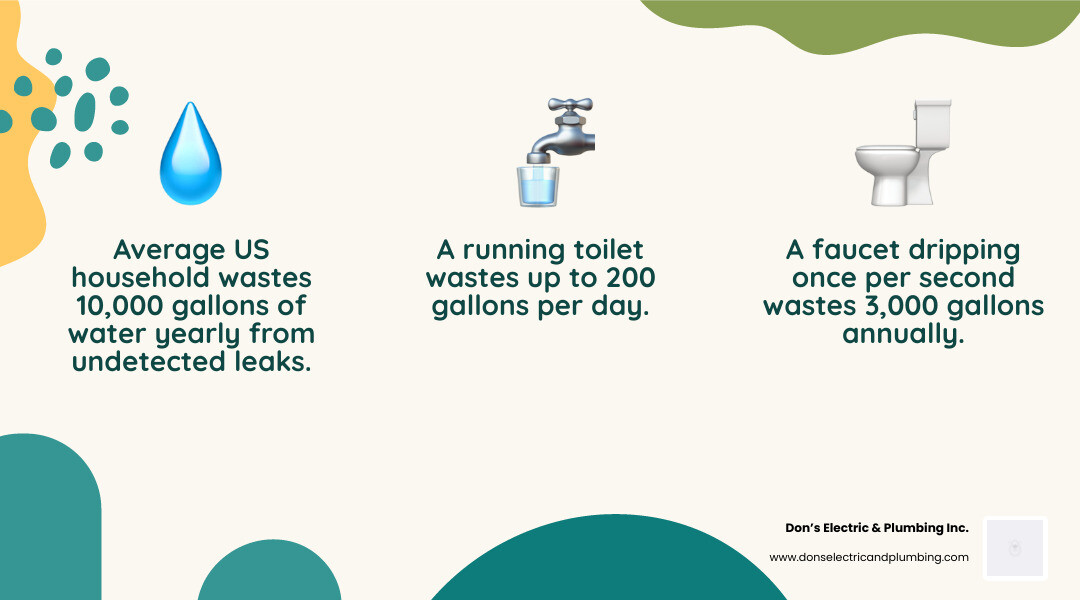
According to EPA data, the average household wastes nearly 10,000 gallons of water per year from leaks alone — and that’s mostly from problems that start small. A faucet dripping just once per second wastes around 3,000 gallons annually. A running toilet can burn through 200 gallons every single day.
The good news? Many everyday plumbing issues are manageable with basic tools and know-how. But some problems — the ones that involve your main sewer line, water heater, or burst pipes — can cause serious structural damage if you don’t get a professional involved fast. Research tracking thousands of residential service calls found that 68% of costly plumbing disasters could have been prevented if a professional had been called when warning signs first appeared.
This guide will walk you through the most common plumbing problems homeowners face, what you can safely handle yourself, and when it’s time to put down the wrench and call in an expert.
Identifying Common Plumbing Problems and When to Call a Professional
To effectively manage your home, it helps to understand the two halves of your plumbing: the supply system and the drainage system. The supply system brings pressurized freshwater into your home through copper or PEX pipes. The drainage system relies on gravity and venting to carry wastewater away through larger PVC or cast-iron pipes. When either side fails, you’ll notice symptoms like puddles, smells, or strange noises.
Most residential plumbing issues fall into a few predictable categories. In fact, just 15 specific problems account for about 95% of all plumbing service calls. Knowing these “usual suspects” helps you decide if you’re looking at a ten-minute DIY project or a situation that requires professional plumbing services.
Common plumbing problems and when to call a professional for dripping faucets
Dripping faucets are the single most common plumbing problem, making up roughly 37% of all service calls. While the “drip-drip-drip” is annoying, the real sting is in the water waste. That single faucet leaking one drip per second can waste 3,000 gallons of water a year—enough for 180 showers!
Most leaks occur because internal parts wear out over time. Common culprits include:
- Worn Washers: In older compression faucets, a rubber washer creates the seal. These flatten or tear over time.
- Damaged O-rings: These small rubber rings hold the handle in place and prevent water from seeping out near the base.
- Corroded Valve Seats: The connection between the faucet and the spout can build up sediment, preventing a tight seal.
If you’ve replaced the washer or cartridge and the leak persists, or if you see water spraying from the handle itself, it’s time to look into expert plumbing repairs. A pro can identify if the faucet body is cracked or if high water pressure is forcing the seals to fail.
Common plumbing problems and when to call a professional for running toilets
A running toilet is a silent budget killer. While a drip is loud, a toilet that won’t stop running can waste up to 200 gallons of water per day. This issue accounts for 29% of emergency plumbing calls, often because homeowners don’t notice the leak until they receive a massive water bill.
Most “runs” are caused by the flapper valve. This is the rubber plug at the bottom of the tank. If it doesn’t seal properly, water constantly leaks into the bowl, forcing the fill valve to stay open to replenish the tank. Other issues include an improperly adjusted float or a cracked overflow tube.
If a simple flapper replacement doesn’t stop the phantom flushing, or if you notice water pooling at the base of the toilet, call us. A leaking base often means the wax ring has failed, which can lead to subfloor rot if not addressed immediately.
DIY Troubleshooting for Minor Plumbing Issues
Before you call for backup, there are several “quick wins” you can achieve with a basic toolkit. Every homeowner should own a high-quality flange plunger, a hand auger (drain snake), and a set of wrenches.
| Task | DIY Steps |
|---|---|
| Clogged Sink | Use a plunger or “Zip-it” tool to pull out hair. |
| Low Pressure at Faucet | Unscrew the aerator and soak it in vinegar to remove minerals. |
| Smelly Drain | Pour baking soda followed by vinegar down the drain, then flush with boiling water. |
| Jammed Disposal | Use a hex key (Allen wrench) in the bottom of the unit to manually break the jam. |
If you encounter a problem that requires opening walls or dealing with high-voltage connections, it’s safer to pivot to HVAC and plumbing troubleshooting by a professional.
Clearing slow drains
Clogged drains rank third in common service calls (24%). Most bathroom clogs are a “hair-and-soap-scum” cocktail. Kitchen clogs are usually caused by fats, oils, and grease (FOG) that solidify inside the pipes.
DIY Fixes:
- The Plunger: Ensure there is enough water to cover the head of the plunger to create a vacuum seal.
- Baking Soda & Vinegar: This classic chemical reaction can bubble away minor grease buildup without the pipe-damaging heat of caustic store-bought cleaners.
- Zip-it Tools: These inexpensive plastic barbed strips are incredibly effective at pulling hair out of sink and tub pop-up drains.
Pro Tip: Avoid chemical drain cleaners. They are highly corrosive and can eat through older metal pipes or soften PVC. Even worse, if they don’t clear the clog, you’re left with a sink full of toxic acid that makes a professional’s job much more dangerous.
Restoring water pressure
If your shower feels more like a light drizzle than a waterfall, you likely have a “localized” pressure issue. This is usually caused by mineral buildup (calcium and magnesium) from the hard water common in parts of Montgomery and Herkimer Counties.
DIY Troubleshooting:
- Aerator Cleaning: Unscrew the tip of the faucet. If you see white crusty buildup, soak the part in white vinegar for an hour.
- Showerhead Soak: If the showerhead is stuck, fill a plastic bag with vinegar, rubber-band it around the head so the nozzles are submerged, and leave it overnight.
If cleaning the fixtures doesn’t work, or if the low pressure affects every faucet in the house, you might have a failing pressure regulator or a major leak in your main supply line. These require a professional diagnosis.
Red Flags: When to Call a Professional Immediately
Some plumbing problems are not “projects”—they are emergencies. Ignoring these red flags can lead to an average of $10,000 in water damage if not addressed within 24 hours. If you smell gas, see sewage, or find a major flood, shut off your main water valve and call for emergency plumbing or furnace repair immediately.
Emergency plumbing indicators
- Multiple Clogged Drains: If the kitchen sink, the toilet, and the bathtub all back up at once, the problem isn’t a hair clog—it’s a main sewer line blockage.
- Gurgling Toilets: If your toilet bubbles or gurgles when you run the bathroom sink, air is trapped in your sewer line, usually by a deep blockage.
- Sewage Odors: A “rotten egg” smell near drains can indicate a broken sewer line or a dried-out P-trap. If it’s throughout the house, it’s a serious health risk.
- Discolored Water: Rusty or brown water often means your water heater is rusting through from the inside or your underground supply pipes are corroding.
- Burst Pipes: This is the ultimate plumbing disaster. A frozen pipe burst can cause an average of $18,000 in damage.
Why complex issues require experts
Plumbing isn’t just about stopping leaks; it’s about safety and code compliance. Licensed professionals have specialized tools that the average homeowner doesn’t, such as:
- Fiber-optic Cameras: To see exactly what is blocking a sewer line 50 feet underground.
- Hydro-jetters: High-pressure water tools that can scour grease and tree roots out of pipes.
- Electronic Leak Detectors: To find “slab leaks” hidden under your home’s foundation.
Attempting to fix a water heater or a gas line yourself can lead to fires, explosions, or carbon monoxide poisoning. Experts ensure the job is done to local New York state codes, protecting your family and your home insurance eligibility.
Preventive Maintenance to Avoid Major Repairs
The best way to handle common plumbing problems and when to call a professional is to prevent the problems from happening in the first place. Annual preventive maintenance typically costs a fraction of an emergency repair—research shows it can prevent up to 80% of major plumbing incidents.
We recommend homeowners perform a “plumbing walk-through” every six months. Check under every sink for dampness, test your sump pump by pouring a bucket of water into the pit, and look for “blooming” or white crusty spots on exposed pipes, which indicate slow, hidden leaks. For total peace of mind, you can sign up for a maintenance plan to have a pro handle the heavy lifting.
Seasonal plumbing care
Living in upstate New York means our plumbing faces extreme temperature swings.
- Winter Prep: Insulate pipes in unheated areas like crawlspaces or basements. When temperatures drop below 20°F, keep a tiny trickle of water running in faucets located on exterior walls to prevent freezing.
- Hose Bibs: Always disconnect garden hoses before the first frost. A connected hose traps water inside the faucet, which will freeze, expand, and burst the pipe inside your wall.
- Water Heater Flush: At least once a year, you should drain a few gallons from your water heater to remove sediment. This keeps the unit efficient and prevents the “popping” sound caused by boiling water trapped under dirt. For more on how your home systems work, check our HVAC and plumbing FAQ.
Conclusion
Plumbing is the lifeblood of your home. While a dripping faucet might seem like a minor annoyance, it’s often the first warning sign of a system under stress. By staying on top of small repairs and knowing when to call in the experts at Don’s Electric & Plumbing Inc., you can protect your home from expensive water damage and keep your utility bills in check.
Since 1984, our family-owned business has served Canajoharie and the surrounding counties with a 100% guarantee on all our work. Whether you’re dealing with a midnight pipe burst or just want a professional to inspect your water heater, we are here to help.
Ready to get your home back in tip-top shape? Schedule an estimate today and let our experienced team handle the hard work for you.
Why is my water pressure low?
Low water pressure can be caused by something as simple as a clogged aerator or as serious as a hidden leak in your main supply line. In older homes in areas like Little Falls or Sharon Springs, galvanized steel pipes may be corroding from the inside out, slowly “closing” the pipe and restricting flow. If the low pressure is only on the hot water side, your water heater may be filled with sediment.
Are flushable wipes safe for drains?
Despite what the packaging says, “flushable” wipes are one of the leading causes of sewer backups. Unlike toilet paper, which dissolves almost instantly, wipes stay intact for days. They snag on small imperfections in your pipes and trap grease, eventually creating a “fatberg” that completely blocks your sewer line. Always dispose of wipes in the trash, never the toilet.
How often should I flush my water heater?
We recommend flushing your water heater at least once a year. Over time, minerals in our local water settle at the bottom of the tank, creating a layer of sediment. This forces the burner to work harder to heat the water, wasting energy and eventually causing the bottom of the tank to overheat and leak. Regular flushing can nearly double the lifespan of your unit.