


What Homeowners in Canajoharie, NY Need to Know About Understanding Your Electrical Panel and Circuit Breakers
Understanding your electrical panel and circuit breakers is one of the most useful things you can do as a homeowner — and one of the most overlooked.
Here’s a quick overview so you know exactly what you’re dealing with:
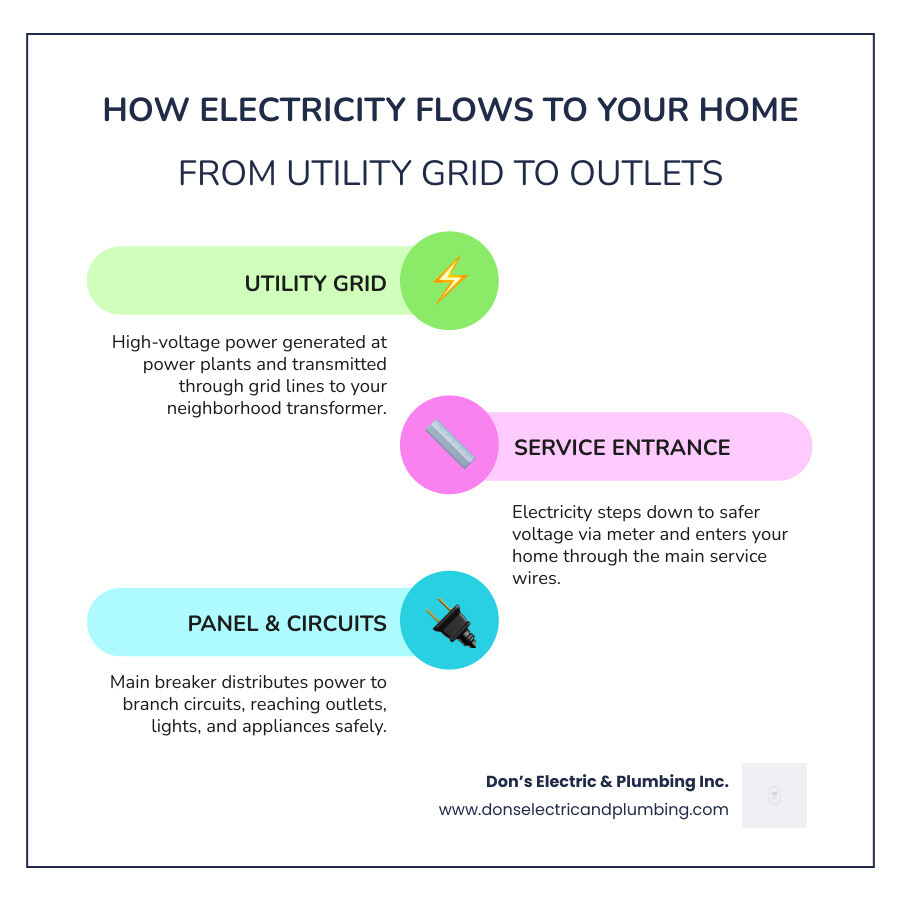
- Electrical panel — the metal box (usually in your basement, garage, or utility room) that receives power from the utility grid and distributes it throughout your home
- Main breaker — the master switch that controls all power coming into your home
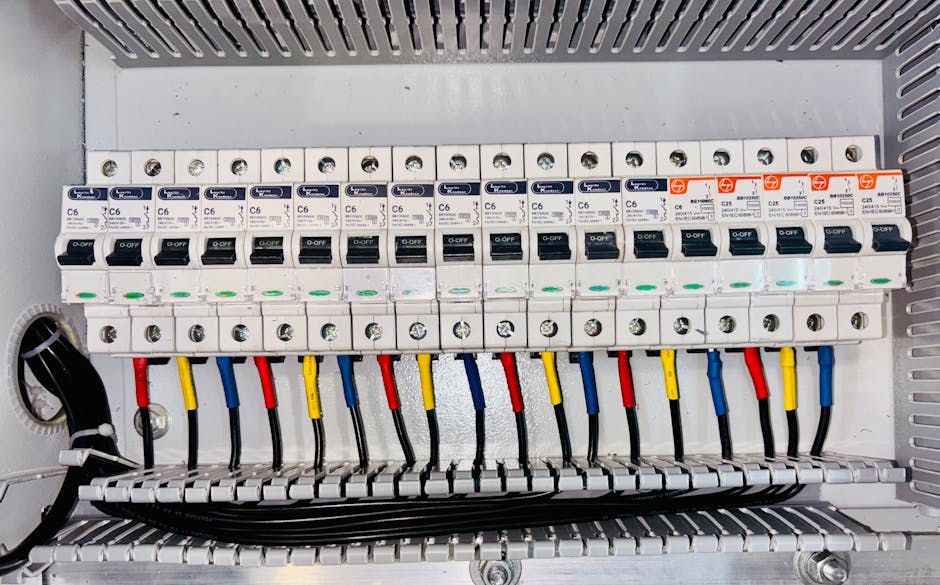
- Circuit breakers — individual switches that automatically shut off power to a specific area if something goes wrong, like an overload or short circuit
- Single-pole breakers — handle 120-volt circuits for lights and standard outlets (15–20 amps)
- Double-pole breakers — handle 240-volt circuits for large appliances like dryers and water heaters (30–200 amps)
- GFCI breakers — protect against ground faults in wet areas like kitchens and bathrooms
- AFCI/CAFCI breakers — detect dangerous electrical arcs that can cause fires
Think of your electrical panel as the heart of your home’s electrical system. Every time you flip a light switch or plug in an appliance, power flows from the utility grid, through your panel, and out to that device. When something draws too much current, your circuit breakers trip — cutting power before damage or fire can occur.
Most homeowners only think about their panel when something goes wrong: a breaker trips, lights flicker, or they smell something burning. But knowing how the system works before a problem hits puts you in a much better position to respond safely and quickly.
Panels typically last 20–30 years, though some can go longer with proper maintenance. Modern homes generally need at least a 200-amp panel to handle today’s appliances and electronics. If your home is older — or if you keep running into electrical issues — your panel may be telling you something important.
In this guide, we’ll walk you through everything: how your panel works, what the components do, how to read and reset your breakers, warning signs to watch for, and when to call a licensed electrician.
The Core Components of Your Home Electrical System
To truly grasp the concept of understanding your electrical panel and circuit breakers, we first need to look inside that gray metal box. While it might look like a confusing jumble of wires and switches, it is actually a highly organized distribution center.

The Main Breaker
This is the “boss” of the panel. It is usually a large switch located at the top or bottom. Flipping this switch cuts off all electricity to your home. It’s rated by amperage — most modern homes in our area, from Minden to Broadalbin, require a 200-amp main breaker, while older homes might still have 100-amp or even 60-amp service.
Bus Bars
Inside the panel, you’ll find two thick metal bars running vertically. These are the bus bars. They carry the high-voltage current from the main breaker down to the individual circuit breakers. When a breaker is snapped into the panel, it makes contact with these bars to draw power.
Neutral and Grounding Bars
Safety is built into the panel’s design through the neutral and grounding bars. The neutral bar returns the “spent” electricity back to the utility grid, completing the circuit. The grounding wire and its corresponding bar provide a safe “emergency exit” for electricity. If there is a fault, the ground wire directs the current into the earth, preventing you from becoming the path of least resistance (and getting a nasty shock).
Branch Circuits
Each individual breaker in your panel controls a branch circuit. These are the “arteries” that carry power to specific zones — like your kitchen outlets, the bedroom lights, or the furnace. For those in older homes in Montgomery County, ensuring your electrical service is up to modern standards for these branch circuits is vital for safety.
Understanding Your Electrical Panel and Circuit Breakers: How They Protect You
The primary job of your electrical panel isn’t just to give you power; it’s to stop power when things get dangerous.
Overload Protection
An overload happens when you plug too many things into one circuit. Imagine running a space heater, a vacuum, and a hair dryer all in one room. The wires would get hot enough to start a fire if the breaker didn’t “trip” and shut off the flow.
Short Circuit Prevention
A short circuit is more serious. It occurs when a “hot” wire touches a “neutral” wire. This creates a massive, sudden surge of electricity. Modern breakers use magnetic sensors to detect this instant surge and snap open in a fraction of a second. If you are adding new rooms or appliances, a professional electrical installation ensures your breakers are sized correctly to handle these risks.
Ground Fault and Arc Fault Monitoring
- Ground Faults: These happen when electricity finds a path to the ground through water or a person. GFCI (Ground Fault Circuit Interrupter) breakers are designed to prevent electrocution.
- Arc Faults: These are small, sparking jumps of electricity caused by damaged or frayed wires. Standard breakers might miss these, but AFCI (Arc Fault Circuit Interrupter) breakers detect the specific “signature” of an arc and shut down before a fire starts.
Understanding Your Electrical Panel and Circuit Breakers: Types and Functions
Not all breakers are created equal. Depending on what they power, they come in different shapes and sizes:
- Single-Pole Breakers: These are the most common. They take up one slot in your panel and provide 120 volts. You’ll see these rated for 15 or 20 amps, powering your lights and standard wall outlets.
- Double-Pole Breakers: These take up two slots and provide 240 volts. These are for the heavy lifters: your central AC, electric range, or water heater.
- CAFCI (Combination Arc Fault Circuit Interrupter): These are the modern gold standard, protecting against both “series” and “parallel” arcs throughout the entire circuit.
Identifying and Resetting a Tripped Breaker
When the power goes out in just one room, it’s time to head to the panel. But don’t just start flipping switches!
- Locate the Panel: Usually in the basement or garage. Make sure your hands are dry and you aren’t standing in water.
- Identify the Tripped Switch: A tripped breaker will usually be stuck in the middle position, between “On” and “Off.” Sometimes it only moves a tiny bit, so you may need to look closely.
- The Full Reset: To reset it, you must first flip it all the way to the “Off” position until you hear a click. Then, flip it back to “On.”
- Check the Directory: A well-maintained panel should have a labeled directory on the inside of the door. If yours is blank or written in “shorthand” that only the previous owner understood, it’s a good idea to spend an afternoon mapping it out.
Signs Your System Needs Professional Attention
As we head into April 2026, many homes in the Schoharie and Fulton County areas are reaching an age where their original panels are struggling. Technology has changed, and our demand for power has skyrocketed.
| Feature | Modern Circuit Breakers | Outdated Fuse Boxes |
|---|---|---|
| Operation | Switches that can be reset | Fuses that melt and must be replaced |
| Safety | High protection against arc faults | Fire risk if “over-fused” (using wrong size) |
| Capacity | Easily handles 200+ amps | Often limited to 60 or 100 amps |
| Insurance | Preferred by providers | Can lead to higher premiums or denial |
Warning Signs to Watch For
If you notice any of the following, please don’t wait. Electrical issues rarely get better on their own:
- Frequent Tripping: If you can’t use the microwave and the toaster at the same time without a trip, your circuit is overloaded.
- Flickering Lights: This often happens when a large appliance (like the AC) kicks on, signaling that your panel is struggling to distribute power. This can also affect your lighting services and bulb longevity.
- Burning Smells or Scorch Marks: This is an emergency. If you smell ozone or see “toasted” plastic around a breaker, turn off the main power and call us immediately.
- The Panel is Warm: Your breakers might get slightly warm, but the metal panel cover should never be hot to the touch.
- Corrosion: In our humid New York summers, basements can get damp. If you see rust on your panel, it can lead to poor connections and fires.
Best Practices for Understanding Your Electrical Panel and Circuit Breakers
To keep your home safe and your system running efficiently, follow these simple guidelines:
- Maintain Clearance: The National Electric Code requires at least 36 inches of clear space in front of your panel. Don’t stack boxes or build shelves around it. We need to be able to reach it quickly in an emergency!
- Annual Visual Inspections: Once a year, open the door and look for rust, soot, or loose wires.
- Circuit Mapping: If your panel isn’t labeled, have one person stand in the house while another flips breakers. Use a radio or a lamp to see which outlets go dead. Label them clearly (e.g., “North Bedroom Outlets” instead of “Jack’s Room”).
- Load Management: Be mindful of high-wattage appliances. If you live in an older home in Sharon Springs or Little Falls, you might need to avoid running the dishwasher and the laundry at the same time until you’ve had a capacity upgrade.
- Professional Maintenance: Just like you might need plumbing repair for a leaky pipe, your electrical system needs a professional eye every 3–5 years to tighten connections and ensure everything is up to code.
Frequently Asked Questions about Electrical Panels
Why is my circuit breaker hot to the touch?
While a breaker may feel slightly warm when it’s under a heavy load, it should never be “hot.” A hot breaker usually indicates a loose connection or an internal failure. If you notice this, or if the plastic looks deformed, it’s time to call in a professional to prevent a potential fire.
How often should I have my electrical panel inspected?
For most homes in the Montgomery and Fulton County areas, a professional inspection every 3 to 5 years is ideal. However, if your home is more than 40 years old, or if you are planning a major renovation (like adding a hot tub or a finished basement), you should have it checked sooner.
Can I replace a circuit breaker myself?
We strongly advise against DIY breaker replacement. Even with the main breaker off, the “lugs” where the power enters the panel are still live and carry enough voltage to be fatal. Replacing a breaker also requires matching the exact brand and type specified for your panel to maintain its UL safety rating.
Conclusion
Understanding your electrical panel and circuit breakers is about more than just knowing how to flip a switch; it’s about the safety and comfort of your family. Whether you’re in Canajoharie, Palatine, or Sharon Springs, your electrical system is the backbone of your modern life.
At Don’s Electric & Plumbing Inc., we’ve been part of this community since 1984. As a family-owned and operated business, we treat your home’s safety as if it were our own. From minor repairs to full 200-amp panel upgrades, we stand behind our work with a 100% satisfaction guarantee.
If your panel is humming, tripping, or just showing its age, don’t leave it to chance. We offer 24/7 emergency services and flexible financing options to ensure your home stays powered and protected.
Ready to ensure your home’s heart is beating strong? Schedule an estimate for your electrical needs with Don’s Electric & Plumbing Inc. today!